
With an average of 74% humidity each year, Florida’s climate creates the perfect conditions for mold growth.
At Dreyer’s DKI, we’ve delivered expert mold remediation in Gainesville, FL, since 1979. We’re here to help you understand the types of mold in homes and remove it safely and effectively.
According to the CDC, the most common household molds include:
- Aspergillus
- Penicillium
- Cladosporium
- Stachybotrys (black mold)
While each type varies in appearance, all require prompt action to limit damage and potential health risks. In this guide, we’ll cover common mold types, warning signs, and when to call a professional to keep your home and family protected.
Call Us Today | Schedule a Mold Inspection
The Most Common Mold Species in Florida Homes
According to the EPA, many common mold species thrive in humid climates. Here are the most common mold types found in Florida homes and how to identify them:
| Mold Type | Appearance | Common Areas | Potential Risk |
| Aspergillus | Black, green, or yellow | Walls, insulation, air systems | Can trigger allergies |
| Penicillium | Blue-green | Carpets, wallpaper, insulation | Spreads quickly indoors |
| Cladosporium | Olive-green or brown | Wood, fabrics, HVAC systems | Common but still irritating |
Aspergillus Species (Black, Green, and Yellow Varieties)
Aspergillus is one of the most common mold types in Gainesville homes. It often presents as mold inside walls, insulation, and around air vents.
It can appear in different colors, such as green, yellow, or black, and spreads easily in warm, damp conditions. While not always dangerous, it can cause breathing issues for some people.
Penicillium (Blue-Green Mold)
Penicillium is an allergenic mold, known for its blue-green color and musty smell. It grows quickly and is often found in any high-moisture spots, such as:
- Carpets
- Wallpaper
- Insulation
This type of mold spreads quickly and can trigger asthma or heart inflammation, so it’s best to seek emergency mold remediation.
Cladosporium (Olive-Green to Brown)
Cladosporium is also a common household mold. It grows in areas with humidity, moisture, or water damage and may appear as brown, green, or black spots.
You’ll often find it on:
- Wood surfaces
- Fabrics
- Inside HVAC systems
It’s not usually toxic to humans, but it can still trigger allergies and irritation.
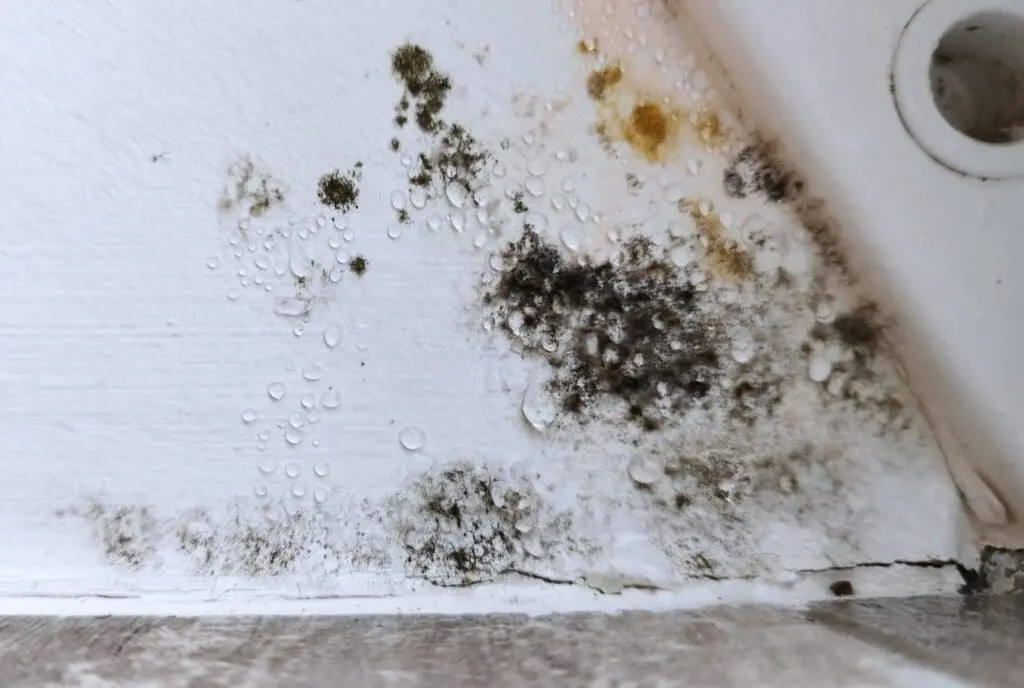
Where Different Mold Types Commonly Grow in Homes
In Florida homes, high humidity, leaks, and storm damage create ideal conditions for mold growth in both visible and hidden areas. While it can grow almost anywhere, it’s most common in bathrooms, kitchens, basements, and HVAC systems.
Knowing where to look can help you catch mold early before it spreads.
If you spot mold in any of these areas, contact us right away for professional mold removal in Gainesville.
Bathroom and Kitchen Mold Species
Bathrooms and kitchens are among the most common places for mold growth due to constant moisture and poor ventilation. You’ll often find:
- Aspergillus niger growing in tile grout and caulking
- Aureobasidium pullulans forming around bathtubs, sinks, and window frames
These molds can appear as dark spots or slimy patches and tend to spread quickly if surfaces stay damp.
To help prevent mold in these areas, wipe down wet surfaces regularly, use exhaust fans to reduce humidity, and fix leaks as soon as they appear. If growth persists, seek black mold remediation to prevent further issues.
Basement, Crawl Space, and Wall Cavity Molds
Basements, crawl spaces, and wall cavities are high-risk areas for hidden mold growth, especially after water damage.
Common types include:
- Stachybotrys (black mold) – grows inside wall cavities after leaks or flooding
- Fusarium – found in damp or flooded basements
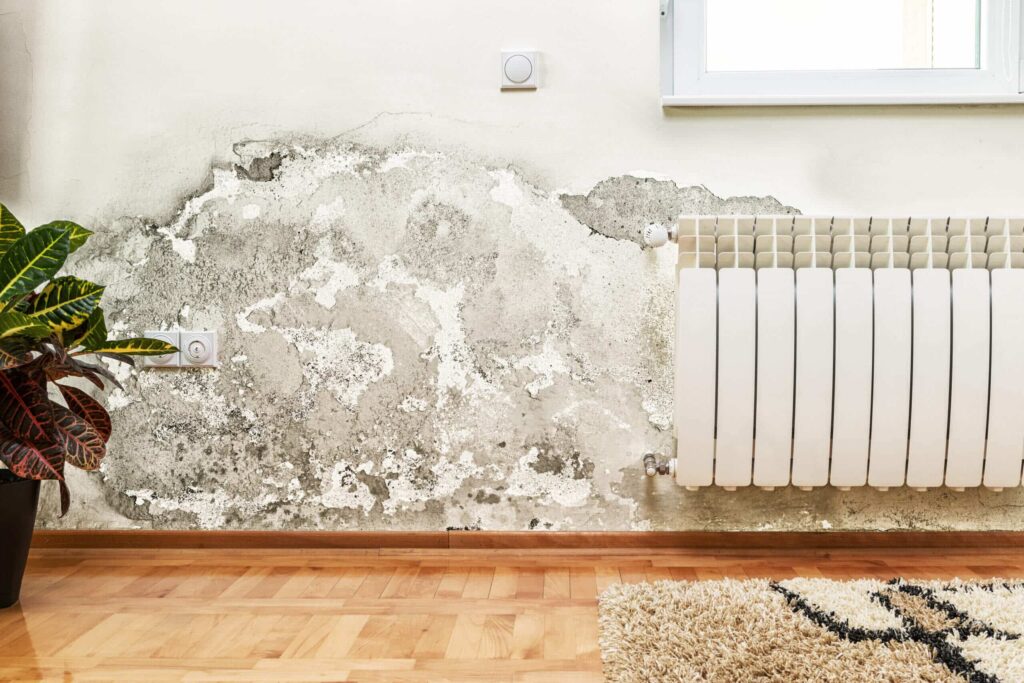
These molds often grow out of sight, making them harder to detect early. Signs may include musty odors, water stains, or soft drywall.
If you’re concerned about the risks of mold inside walls, it’s important to have it checked before it spreads further.
HVAC System and Attic Mold Growth
Mold can also grow in your HVAC system and attic, where moisture and airflow create ideal conditions.
Common types include:
- Cladosporium inside air conditioning systems and on vents
- Penicillium in ductwork and attic insulation
You may notice musty odors when the system is running or increased allergy symptoms indoors. Regular HVAC maintenance and proper attic ventilation can help reduce the risk of mold buildup in these hidden areas.
Professional Mold Testing and Species Identification
While some mold is easy to spot, professional testing is often recommended to confirm the type of mold and remove it safely.
Common types of professional mold testing include:
- Air sampling to detect airborne spores
- Surface sampling to test visible mold
- Bulk sampling to analyze contaminated materials
In many cases, a trained specialist, called a mold hygienist, performs this testing. They assess moisture levels, identify mold types, and help determine the safest next steps.
In Florida, testing costs can vary depending on the size of the affected area and the level of inspection needed. Some insurance policies may cover testing and remediation if the mold is caused by a covered event, such as sudden water damage.
For trusted mold remediation services in Gainesville, our team is here to help you take the next step.
When to Call a Mold Hygienist
You should consider calling a mold hygienist if:
- Mold keeps coming back
- You notice widespread growth
- You suspect mold inside walls or HVAC systems
The role of a mold hygienist is to perform detailed testing and help guide the remediation process.
If you need fast, local help, Dreyer’s DKI provides expert mold remediation in Gainesville, FL to help you recover.
Frequently Asked Questions
What is the most dangerous type of mold found in homes?
Stachybotrys, often called black mold, is the most concerning due to potential health risks. It typically grows after serious water damage and should be handled by professionals.
How can I tell if the mold in my home is toxic?
Professional mold testing is needed to identify the type of mold and its toxicity level.
Do all black-colored molds pose the same health risks?
No, many mold species appear black, including harmless varieties like Aspergillus niger. Only Stachybotrys chartarum produces dangerous mycotoxins. Professional testing is the best way to determine the type of mold you have and its risks.
Can mold grow inside walls where I can’t see it?
Yes, mold commonly grows in wall cavities after water damage, particularly Stachybotrys and Chaetomium species. Musty odors, water stains, or previous flooding indicate potential hidden growth.
How quickly does mold grow after water damage?
Most mold species begin growing within 24 to 48 hours of water exposure, with visible colonies developing in 3 to 5 days under optimal conditions, such as Florida’s humid climate.





