
Mold Remediation in Gainesville, FL
Receive a Free Evaluation
Use The Form Below or Call (352) 378-6003 Today
EXCELLENT Based on 86 reviews
 Posted on Google
 Michael Turner
Trustindex verifies that the original source of the review is Google.
I called to have the carpets cleaned in my office and they showed up, provided a quote in about 10 minutes. I said great, can you clean it now. The technician said yes, got to work and got it done. Clean, fast and efficient. I am pleased with the process and how they treated me and I will use them again.Posted on Google Kenneth RandJacob, Derrick, Katie, Brad, Jay and Nehemiah were all excellentPosted on Google
 Michael TaylorI was very satisfied with their service. the two gentleman that came to my house Ryan and I believe the other gentleman‘s name was Isaac. They were very professional and worked very hard always cleaned up after themselves. They both did a fantastic job.Posted on Google
 Jannette LJay and Neamiah are currently working at my house. Both wonderful and respectful. Great workers. Thanks Dreyers 💯Posted on Google
 Ethan GilmoreExcellent people. Very professional and punctual!Posted on Google
 Emily KellerJay and Jacob were so kind!Posted on Google
 melanie BaldwinJay, Kendall and Jacob did a wonderful job . Great kindness and professionalism. Great asset to the company. I would recommend this company to anyone. Manny was a wonderful help as well. My dog loved Jay and Jacob as well giving them thank you kisses.Verified by TrustindexTrustindex verified badge is the Universal Symbol of Trust. Only the greatest companies can get the verified badge who has a review score above 4.5, based on customer reviews over the past 12 months. Read more
Why Mold Remediation Can't Wait
Florida’s humid climate makes mold damage a common risk for homeowners. Mold can begin growing within 24 to 48 hours after a water event, requiring immediate attention to avoid risks.
At Dreyer’s DKI, we offer comprehensive mold remediation services in Gainesville, Ocala, Alachua, Lake City, Citrus County, The Villages, and the surrounding areas. Our services include mold .
Need emergency mold removal? Contact our team today for a fast, local response.
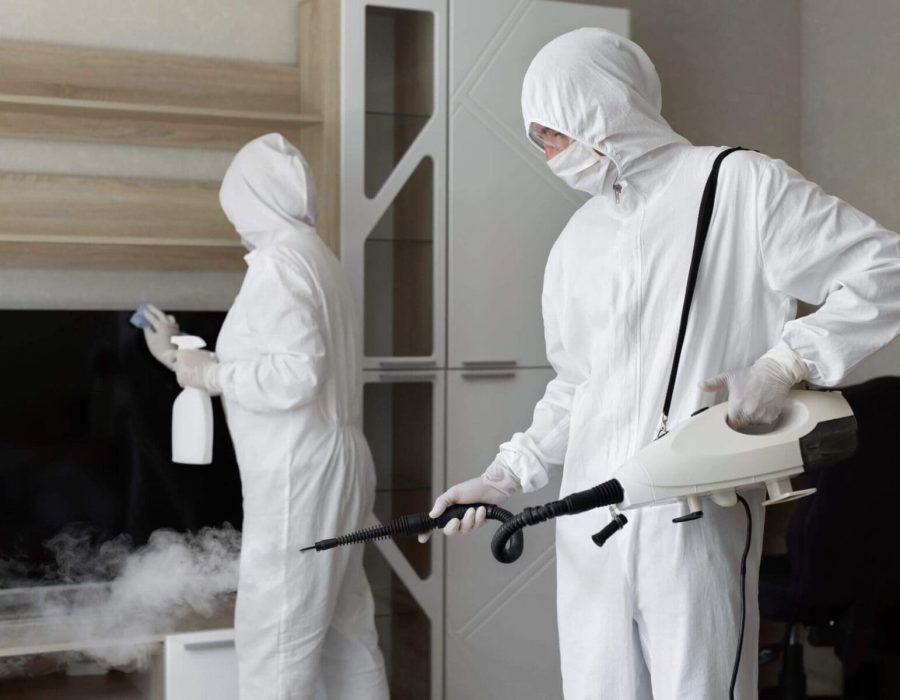
Mold Remediation Services at Dreyer's DKI

Mold Assessment
Identifying the presence and extent of mold growth is the critical first step before any remediation can begin. Our certified professionals conduct a thorough inspection of your property to locate mold and determine the appropriate course of action.
Mold Removal
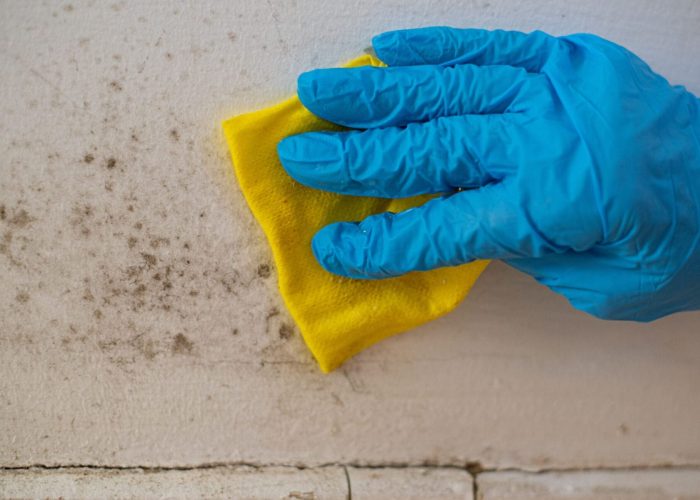
Discouraging further mold growth by eliminating moisture is the most important factor in getting rid of mold. Mold cannot survive without moisture. As long as your home is clean, dry, waterproofed, and airtight, mold will no longer be a problem.
Black Mold Remediation
Black mold is extremely toxic. When this microorganism releases its spores, it also spreads mycotoxins in the air. Mycotoxins can cause serious breathing difficulties, including bleeding in the lungs. Staying in a room that is heavy with black mold can affect both your physical and mental health.
Types of Mold We Address
Our mold hygienists have the expertise and tools to handle all common types of mold in homes. Mold types are broken down into three categories:
- Allergenic – Causes an allergic reaction.
- Pathogenic – Can cause disease.
- Toxigenic – Can lead to dangerous health conditions.
Allergenic molds include: Alternaria, Aspergillus, Aureobasidium, Chaetomium, Cladosporium, Fusarium, Mucor, Penicillium, Trichoderma, and Ulocladium. Pathogenic molds include: Acremonium, Chaetomium, and Cladosporium. Toxigenic molds include: Acremonium, Aspergillus, and Stachybotrys. *Certain types of molds can fall under two categories.
The Mold Remediation Process at Dreyer's DKI
When you contact Dreyer’s DKI, you can trust our proven, step-by-step mold remediation process in Gainesville, FL. We offer 24/7 emergency response, follow IICRC guidelines, and provide clear timelines for safely removing mold and restoring your property the right way.
1. Emergency Response & Assessment
We offer emergency Gainesville mold remediation response for local homeowners. Our team arrives quickly to identify the source and extent of your mold problem. This includes:
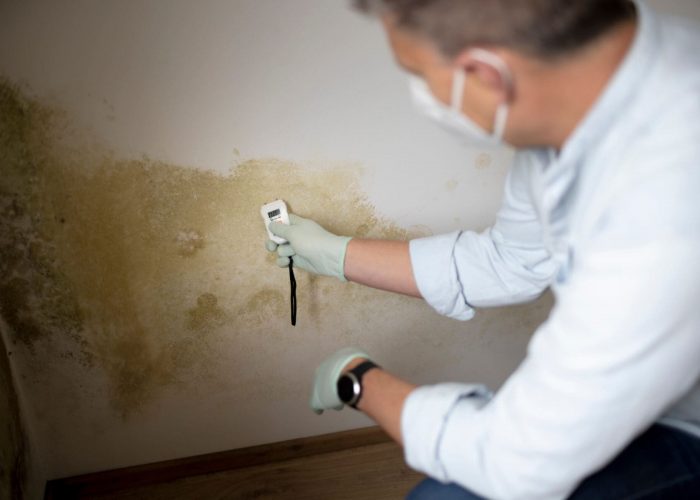
Moisture detection using thermal imaging and hygrometers
Mold inspection of the affected and surrounding areas
Assessment of hidden mold growth
2. Containment & Air Filtration
Next, we isolate the affected area to prevent mold from spreading to clean parts of your property. This helps control airborne spores and maintain safer indoor air quality. We use:
Plastic containment barriers
Negative air pressure systems
HEPA air scrubbers
3. Mold Removal & Structural Drying
Once the area is contained, we safely remove any mold and begin drying the space. This includes:
HEPA vacuuming and antimicrobial treatments
Removal of contaminated materials when needed
Structural drying to eliminate moisture
We also document everything carefully to simplify your insurance claims process.
4. Post-Remediation Verification
Before we finish the job, we conduct a final quality inspection so you can be confident that your property is properly restored. This includes:
Air quality testing
Independent clearance testing (if needed)
Final inspection of the affected area
Awards and Affilliations of Dreyer’s DKI

Our Certifications
- IICRC Certified (Institute of Inspection, Cleaning and Restoration Certification): As an IICRC-certified company, we follow industry-recognized standards for damage restoration and cleaning to deliver safe, effective, and reliable results.
- RIA (Restoration Industry Association): Our RIA membership reflects our commitment to ethical practices, advanced training, and staying at the forefront of restoration industry best practices.
- EPA Lead-Safe Certified: Our EPA Lead-Safe certification shows we’re trained to safely handle and remove lead-based materials, protecting everyone in your home or business.
What Our Customers Say
For over 45 years, we’ve been the local, family-owned restoration company that Gainesville and surrounding Florida communities trust.
Here’s what local property owners say about working with us:
Dreyer's is incredible! We experienced a busted pipe which led to water and mold damage. They were able to come out to the house, rip out what needed to come up, get everything dried out (which was no small feat), and treat the mold all in less than a week.
Laura
This is an excellent company. Very professional and quickly responsive. They were on site within 20 minutes after mold discovery. Crew communicated well and problem was contained same day. They provided full documentation to insurance company. I would use DKI any time I needed the services they offer.
Richard
We are very happy with the service provided by Dreyer's DKI! We had mold and water damage related to a leaky roof. They sent someone to do an estimate right away, and were also able to start the work shortly after we approved the itemized costs. Desmond and team kept us up to date throughout the process, and were always happy to answer our questions. They also spotted an unrelated mold problem, which they were able to address immediately after the first job was completed. Obviously mold-damaged material had to be removed, but they took care not to damage the surrounding area, and even recommended someone to help us with the rebuild.
Andrea
Why Choose Dreyer's DKI for Mold Remediation?
At Dreyer’s DKI, we combine experience, advanced equipment, and local expertise to provide reliable mold damage restoration in Gainesville, Lake City, Ocala, Citrus County, and The Villages. Since 1979, homeowners have trusted us to keep their homes and families safe after water events.
Here’s what sets us apart:
IICRC-Certified Technicians
Our team follows strict industry standards for safe, effective mold remediation, inspection, and air quality testing.Licensed and Certified Industrial Mold Hygienists
As fully licensed and certified industrial mold hygienists, we ensure accurate testing and proper remediation plans.Insurance Claim Assistance
We help document the damage and work directly with many insurance providers to make the process easier.Advanced Equipment
We use HEPA air scrubbers, negative air machines, moisture meters, and thermal imaging to handle mold properly.Fast Local Response
Our Gainesville-based team offers a 2-hour emergency response commitment across North Florida.Full-Service Restoration
From cleanup to water damage restoration, we handle everything under one roof.
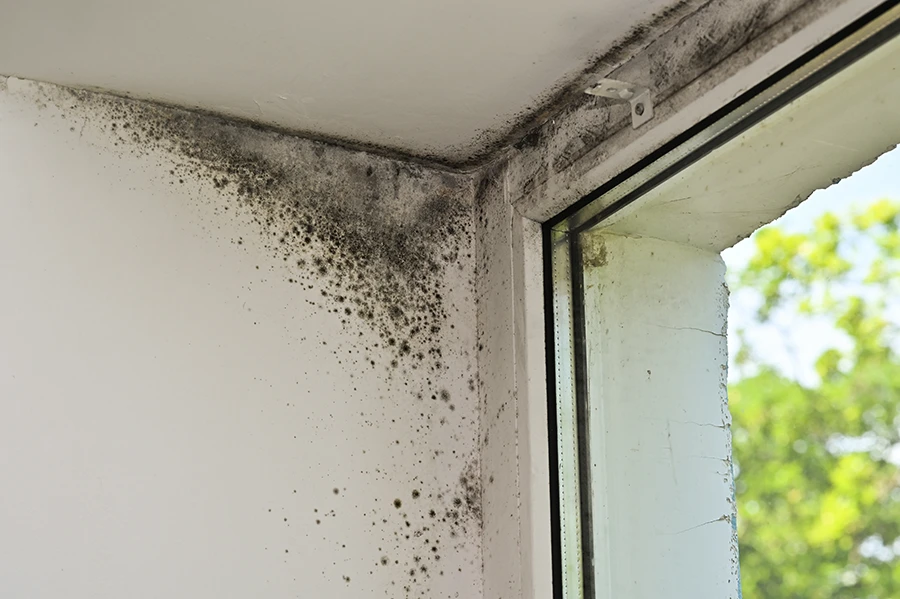
Signs of Mold in Your Florida Home or Business
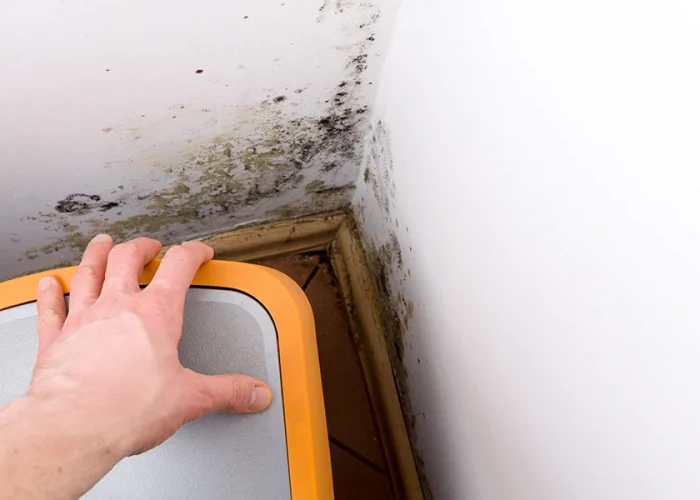
There are a variety of signs that indicate mold growth. Some are easier to spot than others. You might even smell the musty odor or even see mold growth. Possibly both. Visually, mold is characterized by its fuzzy or stained appearance and can come in colors such as black, brown, white, green, and orange. What may start as specks can grow into much larger spots. Your home may also have mold if you notice these signs:
- Water stains.
- Warped walls or floors.
- A recently flooded basement.
- Roof or plumbing leaks.
- Allergy symptoms in a damp room.
Symptoms of Mold Sickness
Mold exposure can affect people in different ways, especially those with allergies, asthma, or weakened immune systems. It also depends on the type of mold, the length of the exposure, the amount of mold, and your body’s sensitivity. So, how do you know if your symptoms indicate mold growth in your home?
Common symptoms of mold sickness include:
Allergies
Eye Infections
Asthma Flare-Ups
Skin or Respiratory Irritation
Lung Infections
Concerned about mold in your home? Contact us for a professional mold inspection.
Call Now for Emergency Mold Damage Restoration
Do you have or suspect mold growth in your Florida home? Our team can start with a thorough mold inspection to identify the types of mold present in your home. Afterward, our removal and remediation services are there to eradicate the current presence of mold and prevent further spread.
Mold Damage FAQs
What are the signs of mold in a home or building?
Common signs of mold include a musty odor, visible discolored spots on walls or ceilings, increased allergy symptoms, and recent water damage.
Is mold dangerous?
Some types of mold can cause health issues, particularly for people with respiratory conditions, allergies, or weakened immune systems.
How long does mold remediation take?
Most mold remediation jobs can be completed within 1-5 days, depending on the size of the affected area and the extent of the contamination.
Can I clean mold myself?
Small areas of surface mold may be cleaned with household products, but extensive mold spots should be addressed by certified professionals to avoid spreading spores or incomplete removal.
Will mold come back after remediation?
Mold will not come back if the moisture source is properly addressed. Preventing future water issues is key to keeping mold from returning.
Will my homeowners' insurance cover mold remediation?
Your insurance coverage depends on the cause of the mold. Mold from sudden water damage (burst pipes, storm damage) is typically covered, while mold from ongoing moisture issues may not be. We work directly with adjusters to help maximize your approved coverage.
Do I need to leave my home during mold remediation?
You’ll need to leave the contaminated area. We seal off affected areas with plastic sheeting and negative air pressure. Unaffected areas typically remain habitable, though sensitive individuals should consider temporary relocation.
How do I prevent mold?
To prevent mold in your Florida home, promptly address leaks, clean and sanitize any areas affected by flooding, and keep indoor humidity below 50% with an air conditioner or dehumidifier. Proper ventilation in moisture-prone rooms, such as bathrooms, kitchens, and laundry rooms, also goes a long way toward reducing your risk of mold growth.
Have more questions about possible mold damage? Visit our mold removal FAQ page for more information.